Direct Cremations & Memorials - a loving compromise
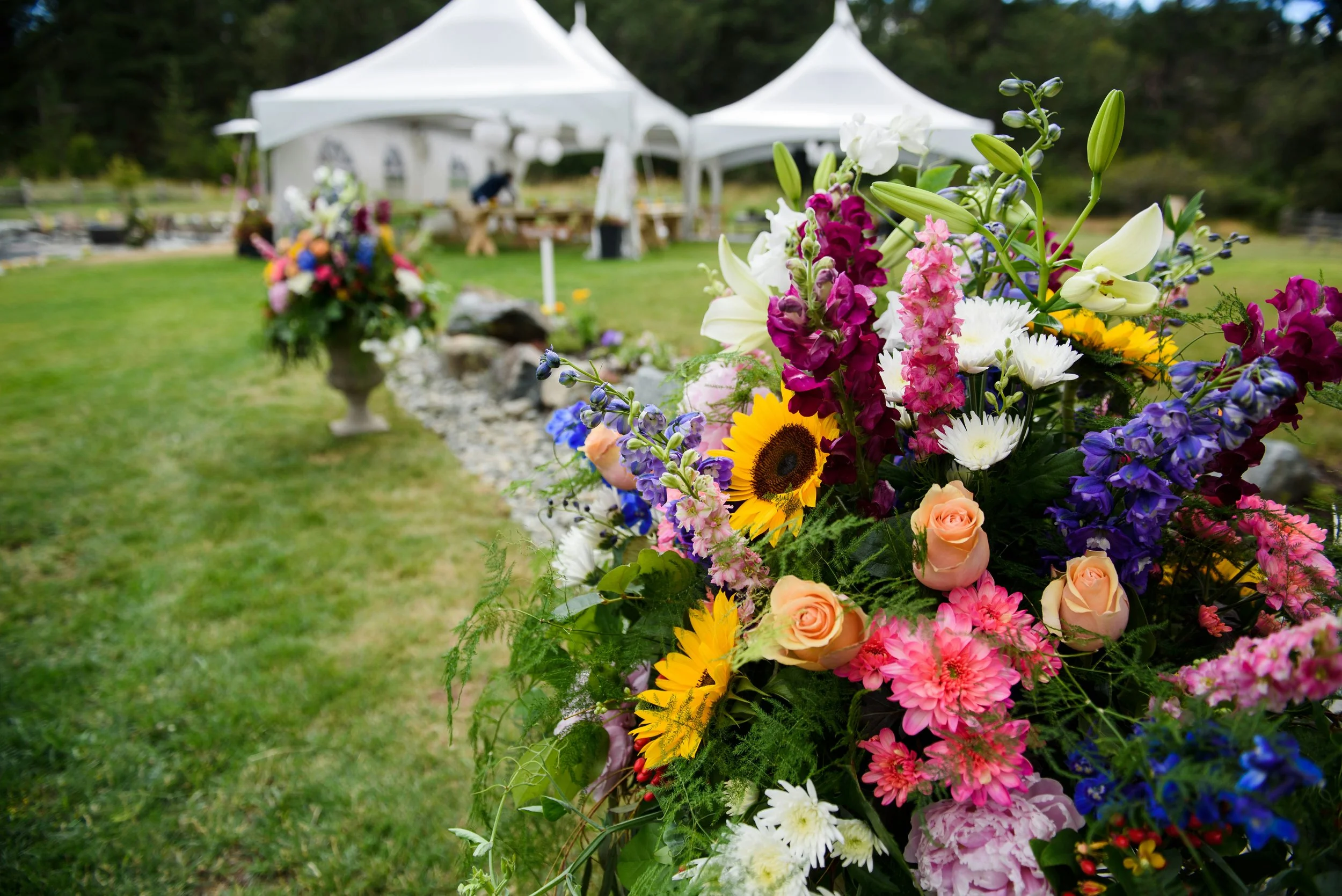
Photo Credit: Christina Victoria Craft on Unsplash
A couple of weeks ago I arrived at one of my local crematorium ready for that afternoon’s service.
As I always do, I glanced at the board to see how many services there were that day.
The vast majority were direct cremations. All completed by lunchtime, with no-one there to witness.
Those of us who work in the world of death, dying and bereavement have been noticing it for a whole. Those little conversations in the moments before and after services - between celebrants, chapel attendants, funeral directors - have started to change. The question used to be “busy at the moment?” When the answer is no (which is happening increasingly), the question that follows is: “think it’s because of the directs?”
1 in 5 funerals are now direct cremations
The most recent State of Dying report tells us that 21% of all funerals are now a direct cremation.
That’s one in five people choosing unattended services. More often than not, arranged through one of the large national providers whose advertising budgets outcompetes every other funeral business - mine included.
I want to be clear from the outset: for some people and some families, a direct cremation is absolutely the right choice. That matters, and I mean it.
But these decisions have to be fully informed. And I'm not always sure they are.
The Changing Funeral Landscape
The adverts are everywhere. Leaflets through the door. Sponsored posts. Television. They tend to fall into two categories.
The first is the no-nonsense approach: here is what you'll save. Here is the price. Here is how simple it can be.
The second is softer: a couple, comfortable and content, who wanted a farewell that wouldn't disrupt anyone, wouldn't demand anything of the people they love, and wouldn't cost a great deal. A gift to those they leave behind.
Both are compelling. Both contain truth.
What they rarely contain is detail about how it will actually work. And families are sometimes knocked sideways by the details that were left unspoken.
When I speak to people whose loved one has had a direct cremation, one of the things that comes up most often is the lack of information and choice they received. The option of visiting the person who has died before the cremation, for instance — with a direct cremation, that typically isn't included. Will there be a choice of crematorium? Often, no. Will the body be cared for locally? Again, often no. And sometimes, not even in Wales.
People sign up without fully appreciating the fine print. The small details that can, in fact, be enormously important to the people left behind.
Why Goodbyes Matter
Sometimes, in our hurry to tidy away death - to not be a bother; to not be a fuss, to spare our loved ones effort - we miss something equally important.
The opportunity to take our leave of someone who has been a significant part of our story.
That matters.
It’s often said that funerals aren’t really for the dead. They’re for the living. And the living need to be able to say goodbye in a meaningful way, together.
One way to create that opportunity, especially when a direct cremation has already taken place, is celebration of life or memorial held afterwards.
The same State of Dying report notes that 86% of people intend to hold some form of memorial after a direct cremation - though other sources suggest that while the intention is there, it doesn't always actually happen. Life gets in the way. The moment passes. The goodbye that was meant to come never quite does.
And that’s where I can come in. Creating these kinds of ceremonies is something I do quite often now, and it’s such a wonderful privilege.
Memorial following a Direct Cremation
Just last week, I led a celebration of life for a 92 year old woman, who had settled on a direct cremation to save money, and to save her children the bother of organising a funeral.
But her children wanted to mark her death in way that held meaning. They wanted to come together as a family. They wanted to gather with others who loved their Mum and collectively express some of the tangled, complicated yet profoundly important and often beautiful feelings that come with the death of a loved one.
Together, we put together a beautiful memorial - something we described as a loving compromise. Though their Mum might not have wanted all that “fuss”, the memorial was for those who are missing her. For the people who love her dearly and wanted to commemorate and celebrate her life, in a way that feels suited to who she was.
It was held in a marquee in the garden of her terrace home in a typical Welsh valley village. Music played through a speaker connected to her grandson’s phone. A friend of the family sang Myfanwy. Her great-grandchildren read a poem.
And there was cake.
A whole table full of cake. Home-made cake. Coffee and walnut cake. Chocolate Brownies. Bara Brith. Victoria sponge. Gluten-free pistachio. So much cake. Because she loved cake, and she baked cakes. And no-one would come to her house without having a slice of something.
Over the afternoon, memories were shared. People laughed and cried. We toasted her with a glass of something sparkling.
I drove home thinking about her. A woman I never met, but have a real sense of who she was. Someone who is deeply loved, missed and deserving of a heartfelt farewell.
I think about the families who never got that chance. Who never got the cake, and the tears, and the song. The love, the connection, the shared expression of their grief.
Because collective goodbyes matter.
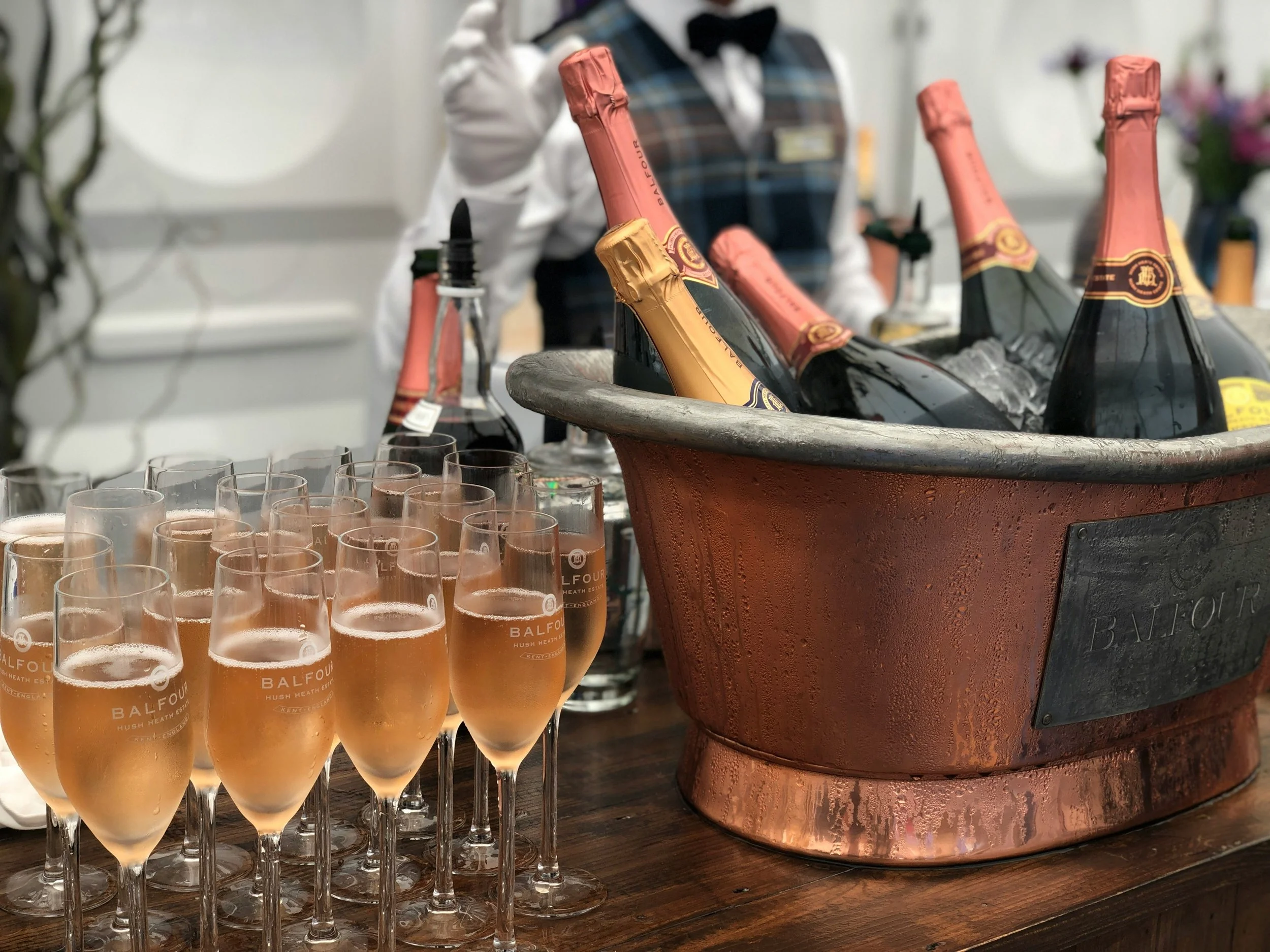
Photo Credit: Becky Fantham on Unsplash
A Final Thought
Memorials like these don’t have to be big, expensive occasions. A marquees was the perfect choice for this family. Yours might look completely different. A living room. A pub. A park.
What matters is the intention: to gather, and to say goodbye.
A celebrant - like me - can help give structure, ideas and gently guide you through.
Direct cremations are here to stay. But that doesn't mean we have to sweep death to the side. We can still gather. We can still say the things that need saying.
We can still have the cake.
Just a small gathering, and the intention to say goodbye is enough. A celebrant, like me, can help give structure, ideas and gently guide you through.
Direct cremations are here to stay, but that doesn’t mean we have to sweep death to the side. We can still gather. We can still say the things that need saying.
We can still have the cake.
This blog has been published in collaboration with Alex Collis,a funeral celebrant working across East Anglia
